
Insights & Perspectives
Where lived experience meets professional expertise.
Explore our collection of articles, case studies, and practical guides designed to shift mental models.
Whether you are an educator looking for a "lifejacket" or a leader seeking systemic change,
these resources bridge the gap between theory and reality.

Reflections from the Trauma Aware Education Conference
Brisbane, 31 October - 02 November 2024
The Trauma Aware Education Conference in Brisbane was a whirlwind of inspiration and learning. Providing a wealth of knowledge and practical strategies to support individuals impacted by trauma, which ironically was me over the course of the three days.
As an attendee, I found myself grappling with my own limitations. My social battery was running low, and situational mutism hindered my ability to connect with others as much as I would have liked. The Sanctuary Room became a lifeline, offering a quiet space to calm my nervous system through sensory activities like colouring. It had soft music, low light, fluffy blankets, fairy lights and couch… perfect.
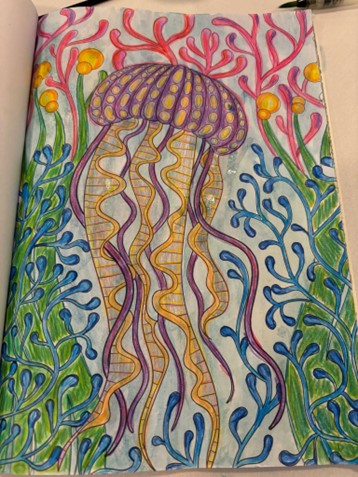
So, let's start with a bit of a whoops. One of the most bizarre moments was the disrespect shown to the Sanctuary Room. I mean, it was supposed to be a peaceful retreat for weary minds. But alas, some folks saw it as a prime spot for Zoom calls and loud conversations about Rick Astley. Talk about a trigger!
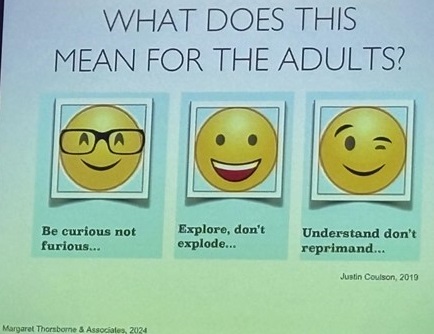
It was a stark reminder that even in a conference dedicated to trauma-informed practices, we humans can still be, well, human. While many attendees were eager to soak up knowledge, a few seemed to have missed the memo on empathy and respecting the need for spaces where nervous systems can be regulated.
Just because adults do the training, doesn’t mean that we put it into action.
While there were a few unexpected challenges, the overall experience was incredibly valuable and highlighted the growing importance of trauma-informed care - so here are a few summary points that I shared through video on the Potential to Performance Facebook page each day.
Day 1
Dr Judith Howard
Emphasised the cumulative impact of caring for others, particularly for educators who are often feeling exhausted and undervalued.Matthew Portell
Advocated for proactive change, urging us to not wait for systemic changes but to initiate them ourselves.Nathan Wallis
Highlighted the importance of language and relationships in cognitive development, emphasising the need to prioritise connection over teaching students to read and write earlier.Sarah Rolston
Explained the concept of the window of tolerance and the importance of meeting the needs of all brain areas.Berry Street Education
Shed light on the disproportionate impact of trauma on students with disabilities, highlighting the need for specialised support and inclusive practices.
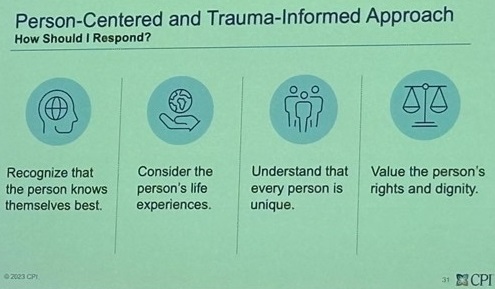
Scary Stats
1 in 5 students with disability experience abuse by age 15.
Adults with a disability are 4 times more likely to experience mental health issues.
90% of students with disabilities are enrolled in mainstream schools.
Students with disabilities are suspended or excluded at a higher rate than their non-disabled peers.
DAY 2
The Power of Reframing
The Crisis Prevention Institute (CPI) emphasised the importance of reframing behaviour through a neuroscience lens. As they stated, "Reframe your perspective through a neuroscience lens, reframe your awareness, reframe your actions to positively support students, and reframe your relationship to build the foundation.Restorative Practices
Joe Brummer and Margaret Thorsborne highlighted the limitations of traditional disciplinary behavioural approaches and advocated for restorative practices. They emphasized the shift from a punitive approach to a restorative one: "We will reward and punish you based on what we want" - highlighting the outdated nature of traditional methods.
Traditional approaches to solving a problem or issue
What happened?
What rule was broken?
Who is to blame?
What punishment is deserved?
Restorative response
What happened?
Why the harm?
Who has been harmed?
What needs to happen to make it right?
Refugee Trauma - QPASTT
‘Refugee trauma asks the question 'Is this the place I can stop? Will I be safe here?' Because everything in your life ceases to exist. Your sense of identity is suspended until you experience a sense of felt safety again.’
DAY 3
Regulatory Techniques
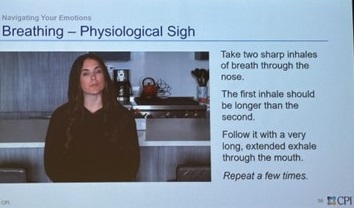
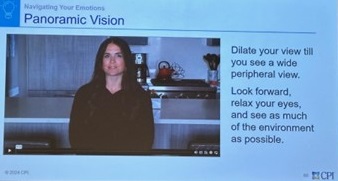
CPI taught some regulatory techniques. The Physiological Sigh and Panoramic Vision were highlighted as powerful tools to calm the nervous system. By practising these techniques, individuals can reduce stress and anxiety, enhancing their ability to focus and learn.
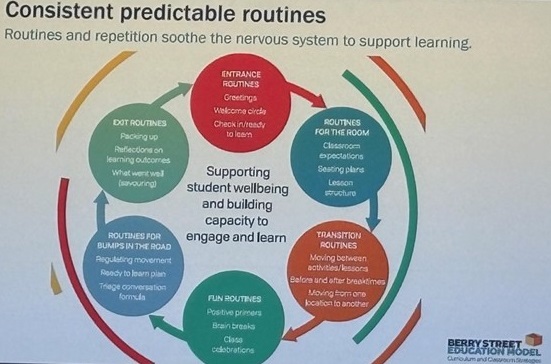
Consistent Predictable Routine (CPR)
Berry Street Education emphasised the importance of CPR in both classroom and home environments. A consistent and predictable routine provides a sense of security and reduces uncertainty, particularly for children who have experienced trauma.
The School Can't Australia initiative challenged traditional approaches to school non-attendance. Rather than focusing on punitive measures and medical diagnoses, they advocate for a trauma-informed perspective. By recognizing the underlying causes of non-attendance, such as stress and anxiety, schools can implement strategies to support students' well-being and facilitate their return to the classroom.
The four lenses through which school non-attendance can be viewed were explored:
Misbehaviour
This lens often leads to punitive measures, which can exacerbate the problem.Mental Health
While mental health issues may contribute to non-attendance, it's important to address the underlying environmental school factors.Disability
A medical model approach can lead to masking strategies, which can further increase stress and anxietyStress and Neuroscience
A trauma-informed approach that recognises the impact of stress on the brain and body.
Remember by adopting a trauma-informed perspective, schools can create more supportive and inclusive learning environments, ultimately leading to improved attendance and academic outcomes for ALL students.

More Than Just Training. A Cultural Shift.

Workforce Chief- Snowy Monaro Regional Council

Each session was conducted with respect for the participants’ views, knowledge and experiences, while also challenging them to stretch and grow beyond the status quo. Our leaders left these sessions inspired, motivated and empowered to engage meaningfully with their teams, tackle problems through solutions focussed frameworks and to come together to share the load of leadership and support one another.

General Manager - Hestia Women's Refuge
The session was informative, practical, and created a safe space for us to reflect on ourselves—how we communicate, how we show up at work, and how we can work together more effectively. We walked away with shared language, clearer understanding, and real takeaways we can apply day-to-day. Highly recommend Brooke to any team wanting to strengthen culture and connection.

School Principal - Putaruru Primary School
They spoke so highly of the sessions and the way you facilitated them with such aroha, clarity, and genuine care.
We have already begun to implement changes in how we respond to and work alongside our amazing tamariki, and your guidance has been instrumental in that.
Thank you so very much for your time, expertise, and the heart you brought to this kaupapa.

Programme Director - Ako Mātātupu Teach First NZ
We really appreciate you coming to share space with our participants. They loved the session and we are grateful for your energy, time and expertise. You present with joy and conviction that captivates audiences
Follow Our Journey
Stay connected for insights, leadership ideas,
and cultural transformation content.


Driving Measurable Change in Leadership, Education and Culture.
More Than Just Training. A Cultural Shift.
© 2026 Potential to Performance Ltd - All Rights Reserved


