
Managing the Exposed Nerve
My 17 Weekly Practices for Nervous System Balance
When I present on trauma-informed practice, I often mention a specific data point about my own life: I do 17 distinct things every single week to keep my nervous system regulated and in balance.
Every time I drop that number, the room goes quiet, pens come out, and people want to know exactly what those 17 things are.
Before listing them, let’s clear up a common misconception. Doing these things does not mean I live in a state of perpetual, enlightened zen. I am entirely human. I have a natural tendency to overload myself, and left unchecked, my nervous system can easily operate like an exposed nerve.
These practices don’t grant immunity from stress, but they radically adjust my user interface. They ensure I get dysregulated less often and prevent me from going too far down a catastrophic path. It is proactive maintenance for a high-performance system.
Here is the breakdown of the 17 things keeping me in balance.
1. Ideal Week Planning
I maintain a strict macro-outline of what my ideal week looks like, and I do my absolute best to stick to it. This means intentionally scheduling when I work best for coaching and protecting specific days for facilitation.
Why it works: It ensures my schedule works for me - not the other way around. It strategically keeps me out of long traffic delays and minimises static sitting time, removing major environmental triggers before they start.
2. Cup of Tea, Cup of Tea, Cup of Tea
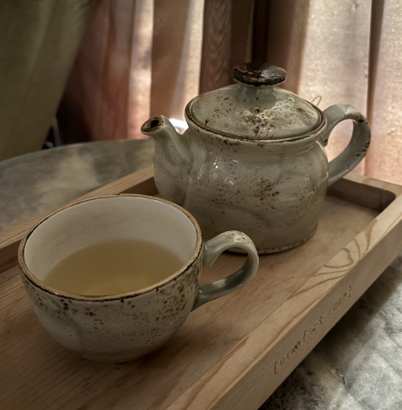
I don't just drink tea; I love the entire ritual. I collect beautiful teapots and specific, high-quality blends.
Why it works: Choosing the blend and using my prettiest teapots acts as a daily sensory support, delivering a micro-dose of dopamine and instant relaxation.
3. Morning Pages
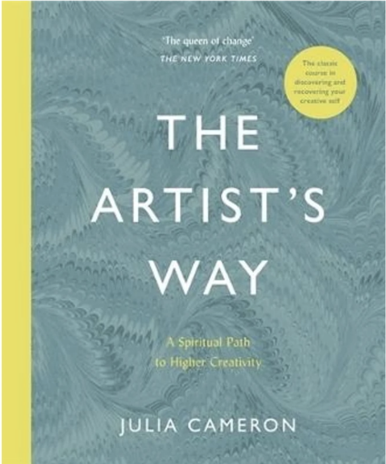
Borrowed from Dr Julia Cameron, this is a non-negotiable morning ritual. I write three full pages entirely by hand every single day.
Why it works: The notebook is pretty, the pen is pretty, but the content is utterly bland. It’s a pure stream-of-consciousness brain dump (“I need to buy milk... what are we having for dinner... did I reply to that email... 16 lines to go...”). I never re-read them, and I literally burn the notebooks once they are full. It gives my brain the physical space to clear out the confusion.
4. An Artist's Date
Another tool from Julia Cameron. I dedicate 30 minutes every single week to doing something entirely solo, just for me, purely for the sake of having fun.
Why it works: It breaks the cycle of constant professional output and gives me permission to play, keeping resentment and creative burnout at bay.
5. 15-Minute Yoga
Almost every morning, I start my day with a 15-minute Gaia gentle yoga series. It’s a slow, predictable, and compassionate way to wake up my body.
Why it works: It provides a gentle physical transition from sleep to waking life, easing my body into movement without triggering a physiological stress response.
6. The Vitamin Stack
Biochemical support is foundational. My daily alignment includes Vitamin B12, Zinc, Magnesium, a high-quality probiotic, and a multivitamin - alongside a high-dose Vitamin D supplement taken monthly.
Why it works: It supports my body at a cellular level, ensuring my physical foundation is stable enough to handle high cognitive and emotional loads.
7. Moodi Products
I am a huge fan of the Moodi range and use all of their products, but their hot chocolate is my absolute favourite daily staple.
Why it works: It turns necessary nutritional support into a comforting, delicious ritual that rewards my brain and signals a time to decompress.
8. Walking the Cats
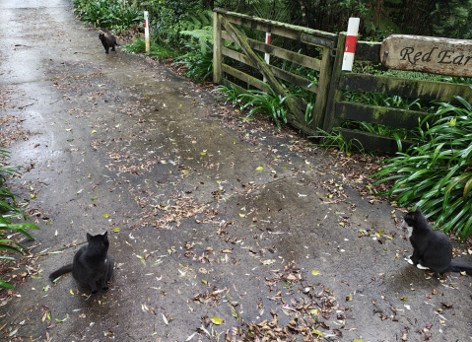
Yes, you read that correctly. Tui and Salem (and now Big Salem who has adopted us) love going for walks around our property and down to the letterbox (one of the distinct joys of having a long driveway). I make it a priority to do this as often as possible when I am home.
Why it works: It forces me to slow down entirely to a cat's pace, gets me outside, and grounds me in nature and the absolute present moment.
9. Special Interest Time
Right now, my decompression hyper-focus of choice is a binge-rewatch of The Rookie. This is my mandatory, low-demand comfort zone after the high output of presenting.
Why it works: Hyper-focusing on a familiar, engaging narrative allows my brain to completely power down from active decision-making and performance mode.
10. Pebbling*
This is how I communicate with my inner circle. We don't do exhausting catch-up calls; we share memes. Pebbling - sending little ripples of humour and connection throughout the day.
Why it works: It maintains deep social connection and shared joy without the heavy energy demands of scheduling or long-form conversation.
*In species like Gentoo and Adélie penguins, a male will find a smooth, perfect pebble and drop it at a potential mate's feet. If she accepts it, they become a pair and use the stone to build a sturdy nest that keeps their eggs safe and dry.
The ‘Pebble Proposal’ Process
While it looks like a romantic ‘proposal’ to humans, it is highly practical.
The Search: Males search rocky coastlines and beaches to find the smoothest, shiniest stone available. Some cheeky penguins have even been caught stealing pebbles from neighbouring nests.
The Drop: The male presents the pebble as a gift to the female.
The Nest: If she accepts the offering, she adds it to their nest pile.
‘Pebbling’ in Human Relationships
This adorable animal habit has inspired the internet slang term ‘pebbling.’ In human relationships and neurodivergent communities, pebbling refers to the act of sharing small, thoughtful gifts (like memes, funny links, or physical trinkets) as a non-verbal way of showing affection, friendship, and trust.
11. Massage Saving
I carry a massive amount of physical pressure on my shoulders. To manage this, I save a small amount weekly so I can budget for a pre-booked, monthly massage.
Why it works: It actively addresses the physical manifestations of chronic stress, treating somatic tension before it locks up my joints and impacts my mood.
12. Poi (with a twist)
When I want to feel fancy, I use normal poi. But when I just need basic, rhythmic movement, I use poi loaded with fishing weights.
Why it works: The added weight perfectly meets my hyposensitive sensory needs. (A word of caution: I am not exceptionally good at poi. If I tried to be flash with the fishing-weight version, I'd end up with a black eye!)
13. Fluffy Cuddles
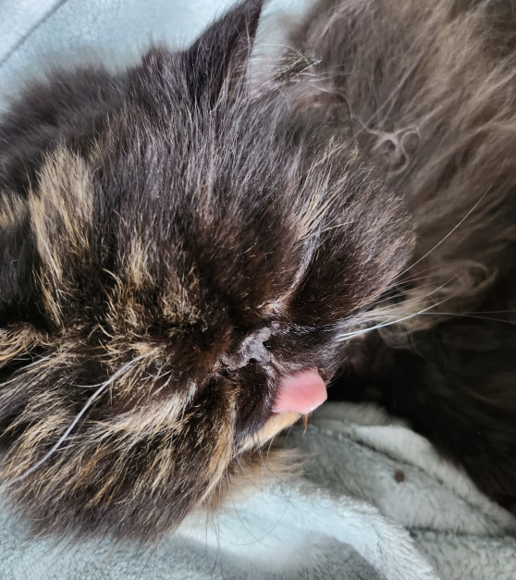
While Fluffy doesn't participate in the driveway walks with Tui, Salem and Big Salem, she is always entirely willing to step up for a grounding session.
Why it works: The tactile, unconditional comfort of animal companionship provides an immediate, soothing nervous system reset through deep pressure and warmth.
14. 'Health with Bec' Meals
My stress levels and nervous system function significantly better when I keep my protein intake up. These specific recipes perfectly hit my taste requirements.
Why it works: Prioritising protein stabilises my blood sugar and daily energy levels, removing physical irritability from my baseline stress levels.
15. Bath/Spa Rituals
Living with rheumatoid arthritis means I often ache, particularly after the physical and emotional output of a presentation. A hot bath or spa is essential.
Why it works: It specifically targets joint inflammation and physical pain, preventing physical discomfort from compounding my mental fatigue.
16. Low Lighting
I honestly cannot remember the last time I turned on the full overhead lights in any room. I rely entirely on lamps to keep the environmental lighting low and soft.
Why it works: It dramatically reduces visual overstimulation, sending a constant, quiet signal to my sensory processing system that it is safe to relax.
17. Holiday Planning and Saving
Every single week, I spend time scrolling through Luxury Escapes, actively planning my next getaway. Once it's locked in, I use my downtime to read deeply about the destination.
Why it works: It gives my brain a forward-focused anchor of happy anticipation, feeding my need for future focus and positive momentum.

Managing a highly sensitive, high-resonance nervous system requires upfront clarity, consistency, and an intentional toolkit. None of these 17 practices are about 'fixing' myself, because I don't need fixing. They are simply about creating clear, quiet signals in an incredibly noisy world so I can show up brilliant, without the burnout.
Keep in mind that this list is entirely specific to me, my sensory profile, and my unique lifestyle. What works beautifully for my nervous system might not resonate with yours at all - and that is exactly how it should be. The goal isn't to copy my 17 things, but to discover the unique blend of practices that keep you feeling regulated, balanced, and entirely human.
For more insights on trauma-informed practice or implementing effective wellness strategies in your organisation, contact me at [email protected].
