
Insights & Perspectives
Where lived experience meets professional expertise.
Explore our collection of articles, case studies, and practical guides designed to shift mental models.
Whether you are an educator looking for a "lifejacket" or a leader seeking systemic change,
these resources bridge the gap between theory and reality.
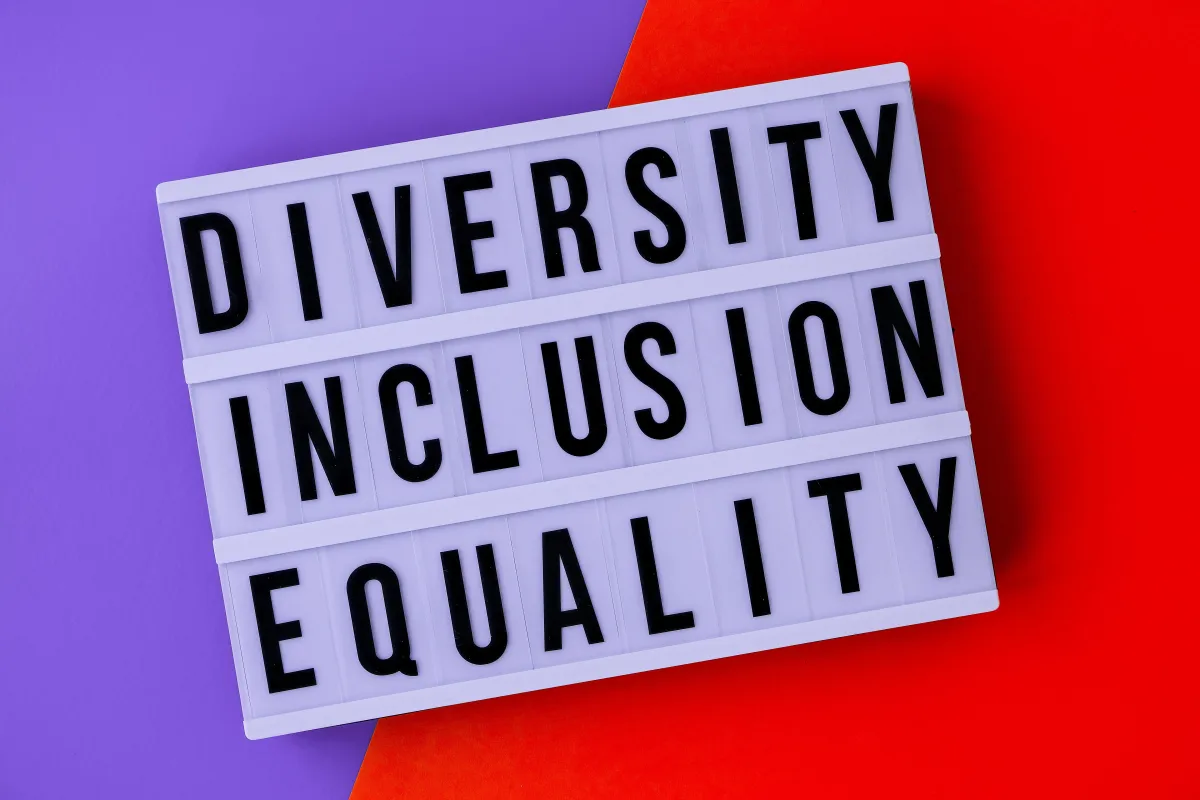
The Business Case for DEI: Beyond Moral Imperatives
In a world where organisations face unprecedented challenges, from talent shortages to rapid technological change, diversity, equity, and inclusion (DEI) has evolved from a "nice-to-have" social initiative to a critical business imperative.
While the moral case for DEI is compelling on its own, today we're focusing on what many leaders want to know: How does DEI impact the bottom line?
The Performance Connection
The evidence is increasingly clear: organisations that prioritise diverse representation, equitable practices, and inclusive cultures consistently outperform those that don't. McKinsey's ongoing research on diversity shows that companies in the top quartile for gender diversity on executive teams were 25% more likely to have above-average profitability than companies in the fourth quartile. For ethnic and cultural diversity, top-quartile companies outperformed those in the bottom quartile by 36% in profitability.
These aren't isolated findings. A Boston Consulting Group study found that companies with above-average diversity on their management teams reported innovation revenue 19% higher than companies with below-average leadership diversity. When diverse teams make decisions, they outperform individual decision-makers up to 87% of the time.
Talent Aquisition and Retention
In today's competitive talent marketplace, your DEI commitment significantly impacts who joins - and stays with - your organisation:
76% of job seekers report that a diverse workforce is important when evaluating companies and job offers.
Organisations with strong DEI practices report 22% lower turnover rates.
83% of millennials report being actively engaged when they believe their organisation fosters an inclusive culture.
When employees feel they can bring their authentic selves to work, engagement rises, discretionary effort increases, and institutional knowledge remains within your organisation rather than walking out the door.
Innovation Advantage
Diverse teams bring diverse perspectives, experiences, and problem-solving approaches. This cognitive diversity translates directly into innovation potential. Research from Harvard Business Review demonstrates that diverse teams are better at fact-based decision-making and innovation. Teams with diverse backgrounds are more likely to:
Question assumptions;
Remain objective when analysing facts;
Identify a broader range of solutions to complex problems;
Create products and services that meet the needs of diverse customer bases.
Market Expansion and Customer Connection
Organisations with diverse workforces are better positioned to understand and serve increasingly diverse customer bases. A team that reflects the diversity of your customer population brings invaluable insights into product development, marketing strategies, and customer service approaches.
Consider these statistics:
Multicultural consumers represent a growing percentage of New Zealand's population, with 27.4% of people identifying with more than one ethnic group.
The global spending power of women now exceeds $20 trillion annually.
A study by Accenture, Disability:IN and the American Association of People with Disabilities revealed that closing the employment gap between people with disabilities and people without disabilities could help boost the GDP of the U.S. economy by up to $25 billion (about $77 per person in the US).
Companies that understand these diverse markets through internal representation gain competitive advantages in product development, marketing messaging, and brand loyalty.
Protecting DEI Progress in New Zealand
As we witness concerning rollbacks of DEI initiatives in the United States and other regions due to political pressures, it's crucial that New Zealand organisations remain committed to evidence-based DEI practices. Rather than following international political winds, we must focus on the demonstrated business value that inclusive workplaces create.
New Zealand has its own unique diversity challenges and opportunities, particularly regarding Māori and Pasifika representation and our obligations under Te Tiriti o Waitangi (which we also need to protect). By framing DEI as a business performance strategy rather than solely a social justice initiative, we can help ensure these important programmes remain sustainable regardless of political climate.
Risk Mitigation
Beyond performance gains, effective DEI practices help organisations mitigate significant risks:
Legal compliance issues related to discrimination claims under the Human Rights Act 1993 and Employment Relations Act 2000.
Reputational damage from public incidents or perceived lack of values alignment.
Lost productivity due to unaddressed bias or harassment issues.
Groupthink leading to poor strategic decisions.
Moving Beyond Surface-Level Commitments
While the business case for DEI is compelling, achieving these benefits requires more than surface-level commitments. Organisations seeing the greatest returns approach DEI as a comprehensive strategic priority rather than isolated programmes.
In our next blog, we'll explore how DEI drives innovation and problem-solving capabilities, with specific examples of how diverse perspectives lead to breakthroughs in various industries.
For now, consider:
How might improved diversity, equity, and inclusion address your organisation's current business challenges?
Where could different perspectives and experiences create value that's currently missing?
This is the first blog in our five-part series exploring the business case for diversity, equity, and inclusion in modern workplaces. Follow along as we examine the evidence-based arguments for DEI as a critical business strategy rather than just a moral imperative.
For more information on how to implement effective DEI strategies in your organisation, contact Brooke on [email protected]

More Than Just Training. A Cultural Shift.

Workforce Chief- Snowy Monaro Regional Council

Each session was conducted with respect for the participants’ views, knowledge and experiences, while also challenging them to stretch and grow beyond the status quo. Our leaders left these sessions inspired, motivated and empowered to engage meaningfully with their teams, tackle problems through solutions focussed frameworks and to come together to share the load of leadership and support one another.

General Manager - Hestia Women's Refuge
The session was informative, practical, and created a safe space for us to reflect on ourselves—how we communicate, how we show up at work, and how we can work together more effectively. We walked away with shared language, clearer understanding, and real takeaways we can apply day-to-day. Highly recommend Brooke to any team wanting to strengthen culture and connection.

School Principal - Putaruru Primary School
They spoke so highly of the sessions and the way you facilitated them with such aroha, clarity, and genuine care.
We have already begun to implement changes in how we respond to and work alongside our amazing tamariki, and your guidance has been instrumental in that.
Thank you so very much for your time, expertise, and the heart you brought to this kaupapa.

Programme Director - Ako Mātātupu Teach First NZ
We really appreciate you coming to share space with our participants. They loved the session and we are grateful for your energy, time and expertise. You present with joy and conviction that captivates audiences
Follow Our Journey
Stay connected for insights, leadership ideas,
and cultural transformation content.


Driving Measurable Change in Leadership, Education and Culture.
More Than Just Training. A Cultural Shift.
© 2026 Potential to Performance Ltd - All Rights Reserved


