
Insights & Perspectives
Where lived experience meets professional expertise.
Explore our collection of articles, case studies, and practical guides designed to shift mental models.
Whether you are an educator looking for a "lifejacket" or a leader seeking systemic change,
these resources bridge the gap between theory and reality.
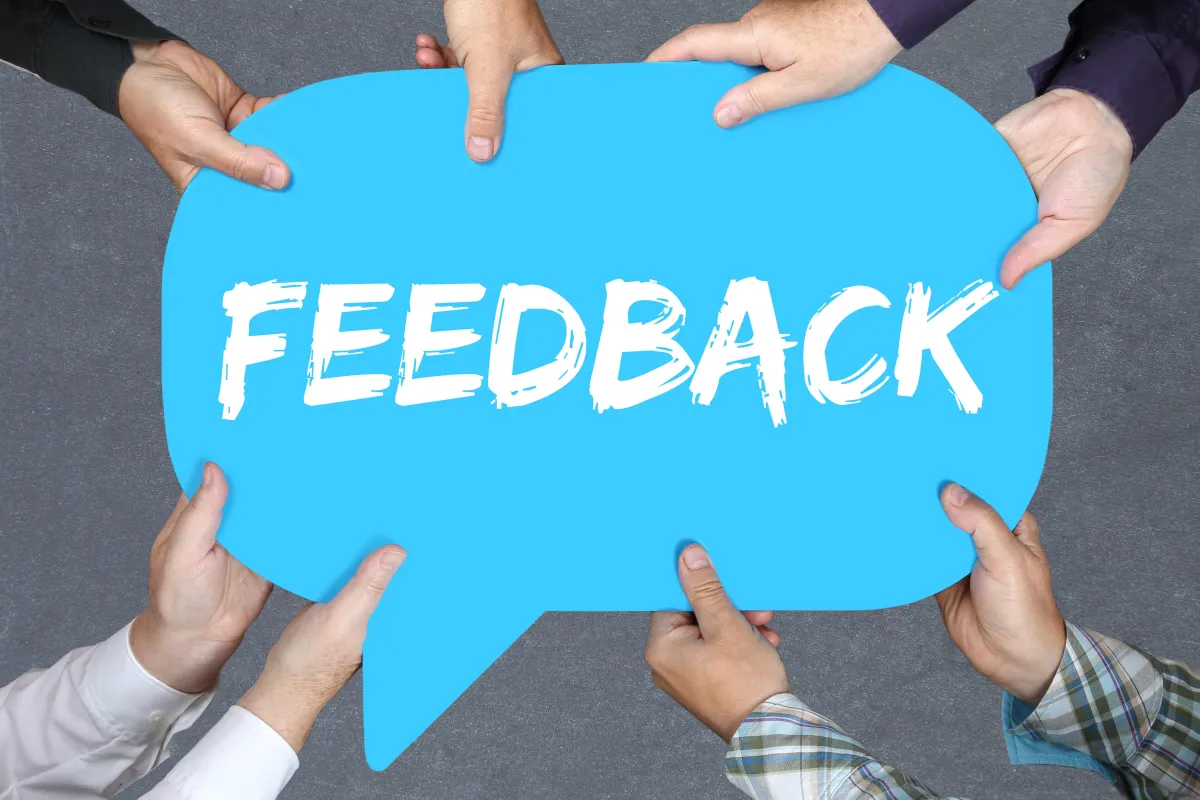
The Ouch Moment – Navigating the RSD Wave
Why negative feedback hits differently when you’re neurodivergent,
and how to survive the first 24 hours.
We need to talk about the visceral, physical sensation of clicking ‘open’ on an email and realising it contains negative feedback.
For many of us with neurodivergent minds - specifically those of us who experience Rejection Sensitive Dysphoria (RSD) - it isn’t just ‘feedback.’
It feels like a physical blow.
The heart rate spikes, the face flushes, and the brain instantly catapults from "I made a mistake" to "I am unsafe, I am incompetent, and everyone hates me."
I recently received feedback that a workshop I delivered left a participant feeling ‘shaken.’
Even though I have presented double-figures of workshops at this specific organisation this year alone, and to over 4,000 people widely in multiple countries, my brain latched onto this one negative comment.
It threatened to erase a year’s worth of success in a single heartbeat.
The Emotional Cycle of the Response
When RSD hits, we lose access to our prefrontal cortex (the logical, planning part of the brain) and get stuck in our amygdala (the fight, flight, or freeze response).
It usually looks like this:
Phase 1 - The Drop: The immediate physiological shock. You might feel sick to your stomach or dizzy.
Phase 2 - The Shame Spiral: You review every interaction you’ve ever had. You replay the workshop in your head, distorting neutral faces into angry ones. You decide you are an imposter who should quit immediately.
Phase 3 - The Defense: The urgent, burning desire to fire back a reply immediately to explain, justify, or apologise profusely. “I need them to know I’m not a bad person right now!”
The Contextual Factor: When Life Happens
RSD loves to strike when our executive function is already depleted. In this specific case, the feedback highlighted that I hadn't managed the agenda or break times well.
The truth? I did drop the ball.
I was heading directly to a funeral after the meeting. My brain was already in grief mode, and the logistics slipped.
At that moment, when an ND leader approached me to ask for the break time, I didn't get defensive. We had a laugh, I apologised, and I immediately wrote ‘10:30 am’ on the board.
But when the email came later, I forgot that moment of repair and only felt the failure.
The Power of Pause
The most important tool in my toolkit is the Pause.
In my recent response to the client, I didn't reply immediately.
I acknowledged receipt, but I set a boundary. I explicitly stated: > "I need this time to allow my autistic mind to process the feedback thoroughly."
This is a radical act of self-advocacy. It tells the other person that you are taking them seriously, but you are also respecting your own neurology.
Strategies for the First 24 Hours
Since we can't control the outcome perfectly in a complex system, we must focus on the inputs we can control:
Do not hit Send: Draft your response in a separate document. Let the rage, the tears, and the over-explanation pour out there. Do not put it in the email client.
Acknowledge the context: Be honest with yourself. Was your executive function low? Were you masking heavily? I own my mistake regarding the breaks, but I also know that external stress (like a funeral) impacts my performance. That is human, not a character flaw.
Separate intent from impact: I know my intent was to educate and empower. The impact was negative for one person. Both of these things can be true at the same time without making me a villain.
Takeaway
It is okay to feel ‘shaken’ by the feedback yourself.
Give your nervous system permission to regulate before you try to fix the problem.
You cannot think your way out of an emotional hijack; you have to feel your way through it first.
For more information, contact Brooke on [email protected].

More Than Just Training. A Cultural Shift.

Workforce Chief- Snowy Monaro Regional Council

Each session was conducted with respect for the participants’ views, knowledge and experiences, while also challenging them to stretch and grow beyond the status quo. Our leaders left these sessions inspired, motivated and empowered to engage meaningfully with their teams, tackle problems through solutions focussed frameworks and to come together to share the load of leadership and support one another.

General Manager - Hestia Women's Refuge
The session was informative, practical, and created a safe space for us to reflect on ourselves—how we communicate, how we show up at work, and how we can work together more effectively. We walked away with shared language, clearer understanding, and real takeaways we can apply day-to-day. Highly recommend Brooke to any team wanting to strengthen culture and connection.

School Principal - Putaruru Primary School
They spoke so highly of the sessions and the way you facilitated them with such aroha, clarity, and genuine care.
We have already begun to implement changes in how we respond to and work alongside our amazing tamariki, and your guidance has been instrumental in that.
Thank you so very much for your time, expertise, and the heart you brought to this kaupapa.

Programme Director - Ako Mātātupu Teach First NZ
We really appreciate you coming to share space with our participants. They loved the session and we are grateful for your energy, time and expertise. You present with joy and conviction that captivates audiences
Follow Our Journey
Stay connected for insights, leadership ideas,
and cultural transformation content.


Driving Measurable Change in Leadership, Education and Culture.
More Than Just Training. A Cultural Shift.
© 2026 Potential to Performance Ltd - All Rights Reserved


